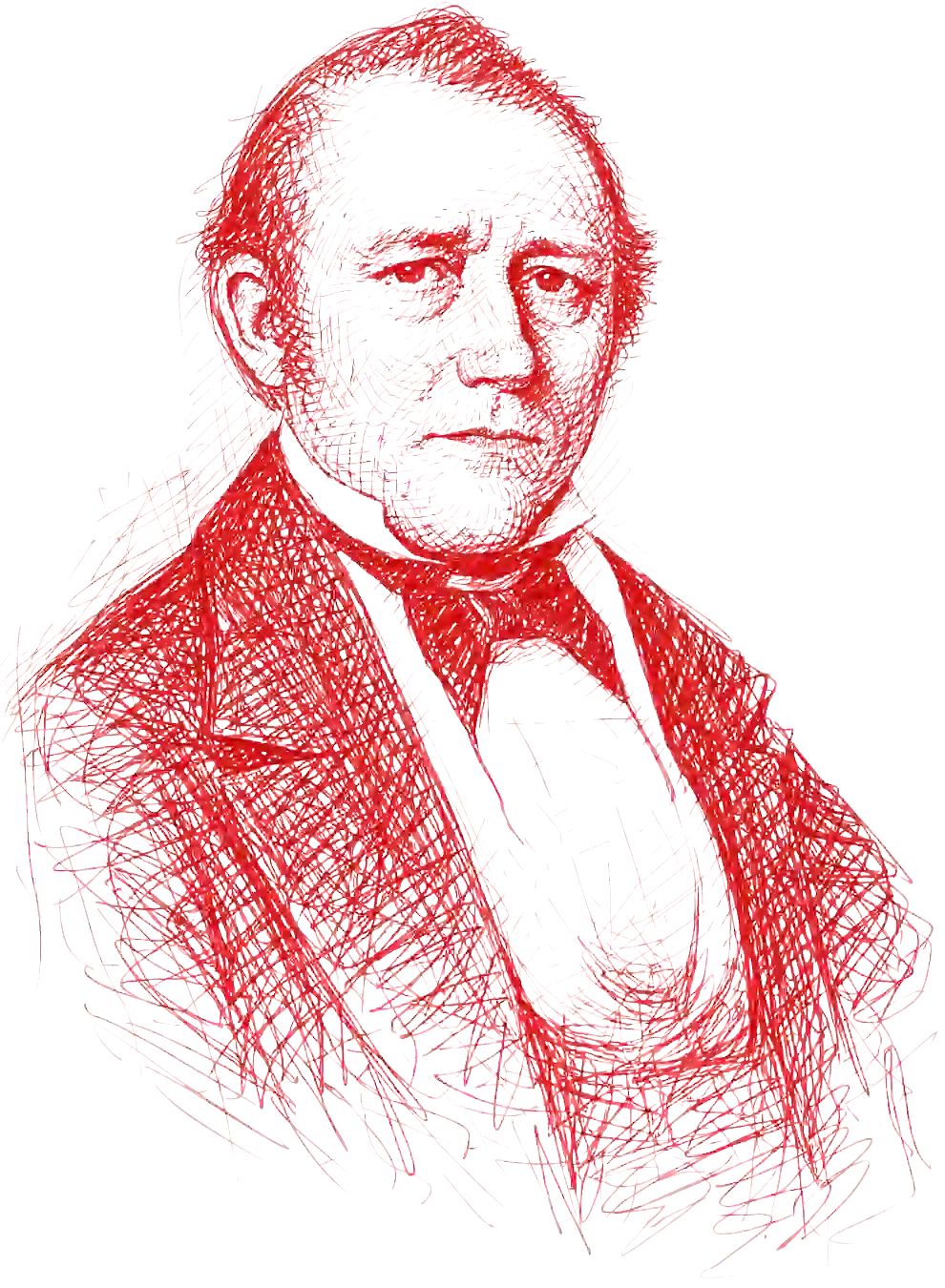
Annemarie Kipar, a prominent 20th-century textile artist, is celebrated for her innovative approach to weaving and fabric design, which significantly shaped the modernist textile movement and continues to inspire contemporary design. Her name is intrinsically linked with a period of remarkable artistic and industrial transformation in the applied arts. Kipar's contributions to textile design are regarded as both foundational and forward-thinking, establishing a unique aesthetic that transcended mere functionality. Born into an era grappling with the shifts from traditional craftsmanship to industrial production, Kipar navigated these currents with a distinct vision, creating works that were not only beautiful but also deeply reflective of her time and artistic principles. Her textiles, characterized by their exquisite quality and thoughtful composition, stand as testaments to a meticulous design philosophy and an unwavering commitment to the integrity of her craft.
Kipar’s journey into the world of textiles was carefully cultivated through rigorous training and a deep engagement with artistic discourse. Her early education provided a strong grounding in fundamental design principles and the technical intricacies of weaving. During this period, the influence of emerging art movements and the growing recognition of applied arts as a legitimate artistic discipline played a crucial role in shaping her perspective. Kipar was exposed to various artistic philosophies that emphasized functionality, material honesty, and the integration of art into everyday life. These foundational experiences laid the groundwork for her distinctive style, characterized by a harmonious blend of artistic expression and practical application.
Throughout her career, Annemarie Kipar distinguished herself through consistent innovation in textile artistry. She explored new techniques in weaving and experimented extensively with different fibers and natural dyes. Her work often featured intricate patterns, sophisticated color palettes, and a textural richness that was revolutionary for its time. Kipar’s commitment to pushing the boundaries of traditional textile production led her to develop methods that allowed for greater artistic control and expression within the constraints of the loom. Her textiles were not simply patterns applied to fabric; they were carefully constructed pieces where every thread contributed to the overall artistic statement. This dedication positioned her as a pioneering figure, whose works often blurred the lines between functional textiles and fine art.
Compared to the characteristics often found in contemporary textile production, Annemarie Kipar’s creations possess several distinguishing features. Modern textiles are frequently driven by mass production efficiency, cost-effectiveness, and the rapid pace of fashion trends, often relying on synthetic fibers and standardized dyeing processes. In contrast, Kipar's work was meticulously handcrafted, emphasizing artisanal quality and individual attention to detail. Natural fibers, such as high-grade wool, linen, and silk, were thoughtfully selected for their inherent properties and aesthetic appeal. The dyeing processes she employed often utilized natural pigments, resulting in nuanced color variations and a depth that is seldom achieved with industrial dyes today.
Furthermore, Kipar’s design philosophy prioritized enduring beauty and artistic integrity over transient commercial appeal. Her textiles were conceived as lasting pieces, celebrating craftsmanship and the unique characteristics of the raw materials. This focus on durability, tactile quality, and a profound connection to the material's origin gives her textiles a timeless resonance that is often missing from today's largely synthetic and disposable textile landscape. The human touch, evident in every thread, imbues her fabrics with an authenticity and character that automated manufacturing struggles to replicate.
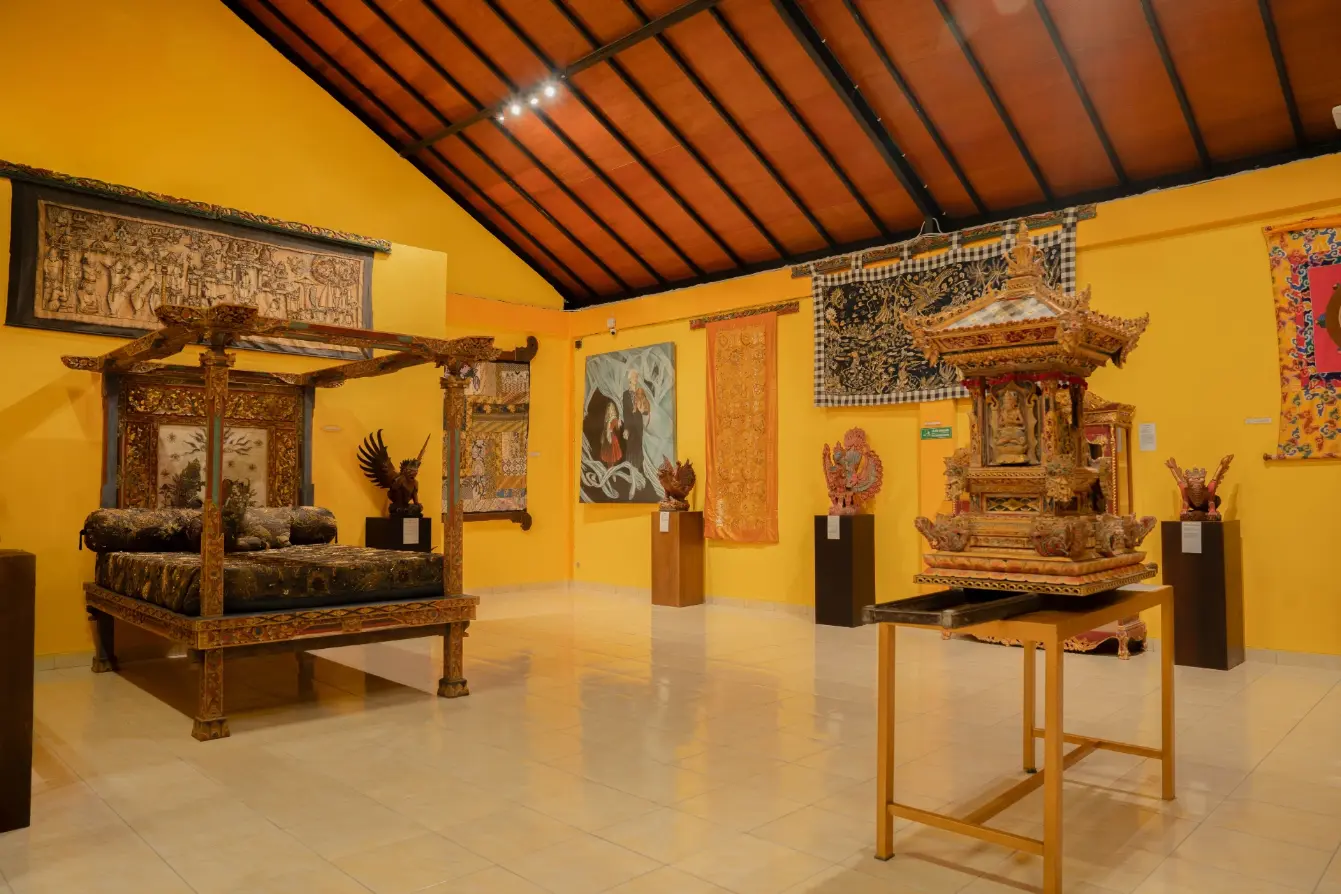
Annemarie Kipar's legacy extends far beyond her lifetime, continuing to influence textile designers, artists, and enthusiasts worldwide. Her body of work provides invaluable insights into the development of modernist textiles and the broader history of applied arts in the 20th century. Her commitment to quality, innovation, and artistic integrity serves as a powerful reminder of the potential for textiles to be both functional objects and profound expressions of art. The enduring beauty and historical significance of Annemarie Kipar’s textile creations ensure her place as a pivotal figure in design history. Her remarkable textile pieces and historical records can be accessed and appreciated by the public at the Museum PBC.